Serving Bell, CA and surrounding areas. (213) 953-8125
Ground moisture rises through unprotected crawl spaces in Bell homes year-round. We install vapor barriers with full soil coverage, sealed seams, and secured edges - so the job lasts.
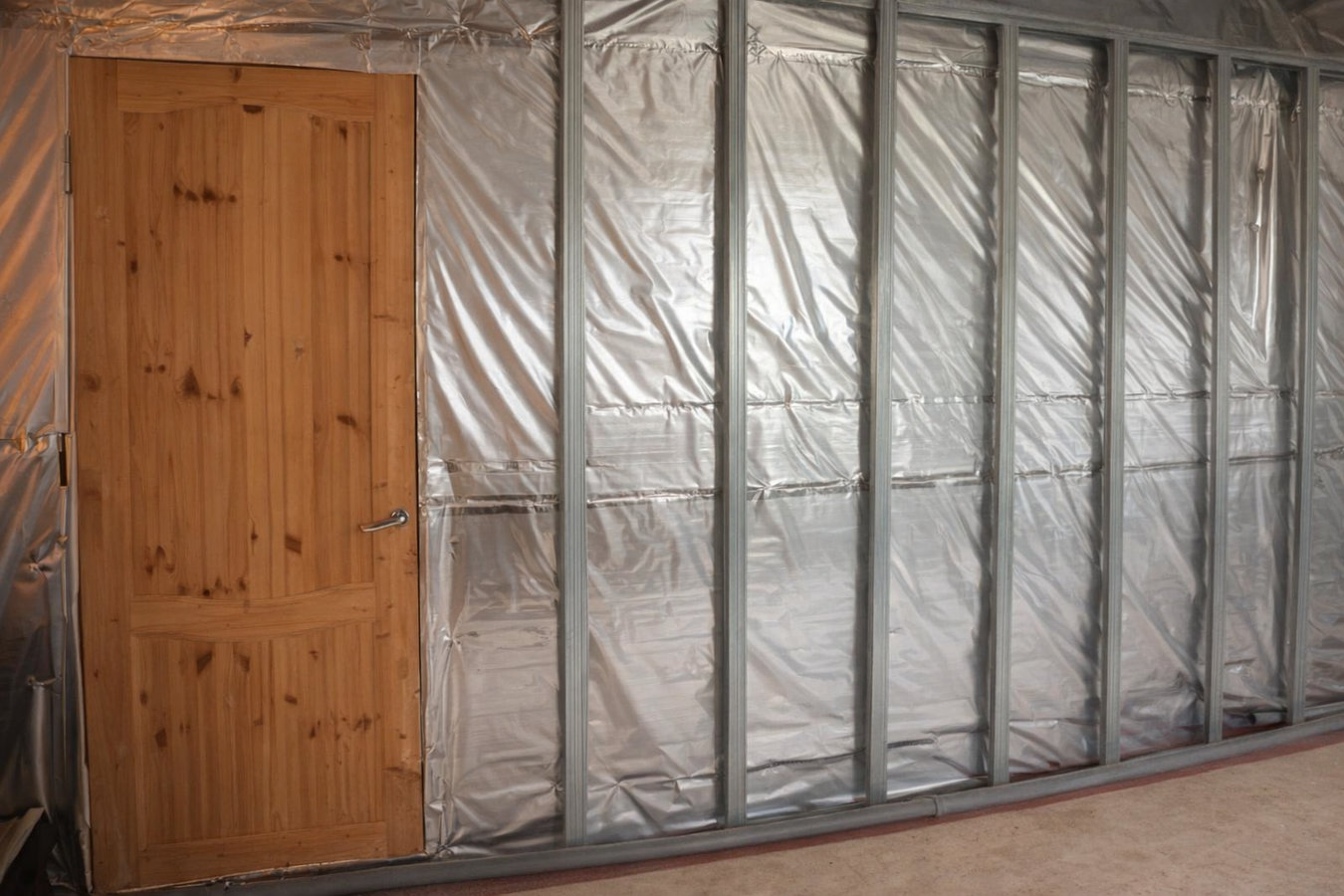
Vapor barrier installation in Bell, CA places a sealed plastic or foil-like sheet over the bare soil in your crawl space to block ground moisture from rising into your home - most jobs on a single-family home are completed in one full day, and musty odors often fade within a few weeks as the space dries out.
Bell averages fewer than 15 inches of rain per year, and many homeowners assume a dry climate means moisture is not a concern. But ground moisture rises from the soil constantly, even in dry months, because the clay-heavy soils under the Los Angeles Basin hold water year-round. That slow, steady vapor is exactly what a barrier is designed to stop. Many Bell homes were built in the 1920s through 1960s with no moisture protection at all. A properly installed barrier, paired with crawl space vapor barrier coverage on the walls, gives your home the most complete moisture defense from below.
If you notice a damp, musty odor that seems to come from the floors or lower walls - especially after Bell's winter rains - that is often a sign that moisture is rising from an unprotected crawl space. The smell is caused by mold or mildew growing in a consistently damp environment below your feet, and it tends to be strongest in rooms closest to the crawl space access point.
Walk slowly across your floors and pay attention to any areas that feel softer than the rest, or that flex slightly under your weight. This can be a sign that the wood subfloor has absorbed moisture over time and begun to weaken. In older Bell homes - many of which have original hardwood or plank subfloors - this kind of damage is a common result of years without a vapor barrier.
If you have ever peeked into your crawl space and noticed water droplets forming on pipes, metal ducts, or the underside of the floor, that is a clear sign of excess moisture in the space. Condensation means the air under your home is humid enough to deposit water on cool surfaces - and that same moisture is affecting your wood framing and insulation.
A large share of Bell's housing stock dates to the mid-20th century, and homes of that era were often built without any moisture protection under the floor. If you have owned your home for years and no one has ever looked at the crawl space, there is a reasonable chance it either has no barrier or has one that has degraded beyond usefulness. A free inspection can tell you exactly where you stand.
Before any material goes in, we physically enter your crawl space to assess the conditions - the size of the space, how accessible it is, whether there is standing water or existing damage, and what kind of barrier, if any, is already there. This visit is free and is the only way to give you an accurate price. We then install polyethylene sheeting across the entire soil surface with overlapping seams sealed with tape and edges secured to the foundation walls. We use material rated at 10 to 20 mils for durability - thicker than what some contractors install, because it holds up better under foot traffic from future plumbing or pest control work.
For homeowners who want to go further, we can also discuss attic air sealing as a complementary step - addressing air and moisture movement from below and above the living space in the same project. Combining services in one visit saves on mobilization costs and gives you a more complete picture of your home's envelope performance.
Heavy-duty sheeting across the full soil surface with sealed seams and secured edges - the right starting point for most Bell homes.
For homes with persistent moisture concerns, running the barrier up the foundation walls provides a more complete moisture seal.
Suited for older Bell homes where old material, debris, or standing water needs to be cleared before new barrier material is installed.
For homeowners addressing both moisture and energy efficiency, combining vapor barrier work with insulation in one project is the most cost-effective approach.
Bell is a densely built city in southeast Los Angeles County where most homes were constructed between the 1920s and 1960s. Many of those homes were built without any moisture protection under the floor, and the ones that had barriers installed decades ago may have material that has degraded well past its useful life. While Bell's Mediterranean climate is relatively dry, the Los Angeles Basin sits over clay-heavy soils that retain water long after it rains and release moisture upward year-round. When Bell's rainy season arrives - typically November through March - intense storm events can push significant moisture against and under foundations quickly, making an unprotected crawl space vulnerable even in a city that is dry most of the year. Bell also falls under U.S. Department of Energy guidance on crawl space moisture control, which recommends barriers as a foundational measure for homes in climates with seasonal moisture variation.
We serve Bell and the surrounding communities throughout southeast Los Angeles County. Homeowners in Maywood and Cudahy with older homes face the same soil conditions and housing age profile, and we cover both areas with the same crew and installation standards.
We reply within one business day. We will ask basic questions about your home's age, whether you have noticed moisture issues, and whether anyone has been in the crawl space recently. No technical knowledge needed - just describe what you have noticed.
Before any quote is finalized, we physically enter your crawl space to assess conditions - size, accessibility, existing material, signs of damage. Be cautious of any contractor who quotes without looking. This visit is free and usually takes under an hour.
You receive a written estimate that spells out the material thickness, how seams will be sealed, and what prep work is included. This is the right time to ask questions. A good contractor answers clearly without pressure.
On installation day, the crew clears debris, lays the barrier material, seals every seam, and secures edges to the foundation walls. Most jobs take one full day. Before leaving, the crew documents the finished work with photos inside the crawl space so you have a record of what was done.
Free inspection, written estimate, no obligation. We reply within one business day.
(213) 953-8125We do not give prices over the phone without seeing your crawl space first. The only way to give you an accurate number is to look at the actual conditions - size, accessibility, existing material, and any moisture damage. Contractors who skip this step often miss details that change the scope and price.
We use polyethylene sheeting rated at 10 to 20 mils for crawl space installations - thicker than what some contractors install. Thicker material resists tearing from foot traffic during future plumbing or pest control work, and it holds up longer in the active clay soil conditions under Bell homes.
Every seam in our installations is overlapped and taped, not just overlapped. Edges are secured to the foundation walls so the barrier stays in place. After the job, we provide photos taken inside the crawl space so you can see that no bare dirt is visible - you do not have to take our word for it.
We have been serving Bell and southeast Los Angeles County for years, so we know the older housing stock and the soil conditions under these homes. We document every job and hand over the paperwork when we are done, so you have a clear record of what was installed under your home.
Every vapor barrier installation we complete leaves a documented record of what was installed - material thickness, seam method, and photos. That documentation protects you at resale and gives you a baseline for future inspections. Building Science Corporation research on crawl spaces consistently shows that sealed, protected crawl spaces perform significantly better for moisture control than vented or unprotected ones - and a properly installed barrier is the first step in getting there.
Sealing gaps and penetrations in the attic floor to stop conditioned air from escaping and unconditioned air from entering the living space.
Learn MoreFocused crawl space floor coverage with heavy-duty plastic sheeting to block ground moisture before it reaches your wood framing.
Learn MoreBell's winter rains arrive in November - now is the right time to install a vapor barrier while the ground is dry and conditions are ideal for a clean installation.