Serving Bell, CA and surrounding areas. (213) 953-8125
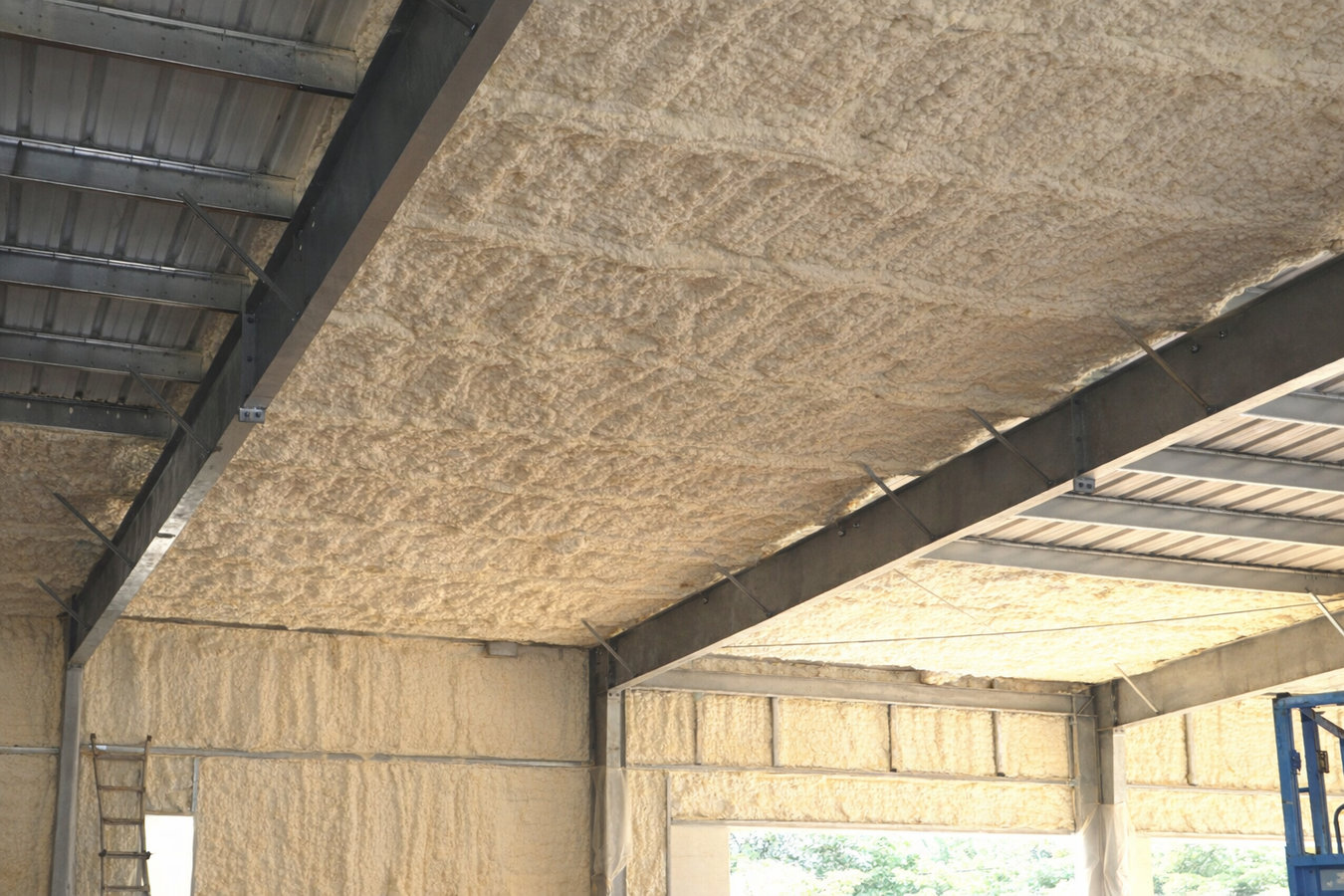
Bell's older commercial buildings lose enormous amounts of conditioned air through aging walls and roofs - proper insulation brings those costs down and keeps your space comfortable for employees and customers all year.
Commercial insulation in Bell, CA slows the movement of heat through your building's walls, ceiling, and roof - so your heating and cooling system runs less and your energy bill goes down, with most mid-sized commercial projects completed in one to two days.
A large share of Bell's commercial stock - small warehouses, light industrial buildings, and older strip retail - was built in the 1950s through 1970s with minimal insulation by today's standards. What was installed may have degraded or settled over the decades. If your building is from that era, there is a good chance it is running on very little insulation, which means your air conditioning is working overtime every summer. Pairing a commercial upgrade with spray foam insulation in hard-to-reach wall and roof cavities can address both coverage and air sealing in one project.
California's Title 24 energy code applies to any permitted renovation or addition, which means your insulation work will be inspected. We handle the permit process and document everything in a way that passes inspection - protecting you if you ever sell or refinance the property.
If your electricity bill has been creeping up year after year but you have not added equipment or expanded your hours, poor insulation is a likely culprit. In Bell's hot summers, an underinsulated building forces your air conditioning to run almost constantly - and that shows up on your Southern California Edison statement. This is one of the clearest signs your building is losing the cooling battle through its walls and ceiling.
If one part of your building is always stuffy and warm no matter how long the AC runs, insulation is uneven or missing in that section. In older Bell commercial buildings with flat roofs, heat tends to pour in through the ceiling in certain spots while other areas stay comfortable. Uneven temperatures are a reliable indicator that insulation coverage has gaps.
Bell has a significant amount of commercial property built in the postwar decades, when insulation standards were far lower than they are today. If your building is from that era and has never had an insulation upgrade, there is a good chance it is running on very little - or none at all in the walls. A quick assessment from an experienced contractor can tell you exactly what is there and what it would take to bring it up to a useful level.
If your air conditioning seems to run all day without ever fully catching up, the building envelope may be letting in more heat than the system can handle. This is especially common in Bell's older flat-roofed commercial buildings, where roof heat gain is severe. Insulation upgrades often allow business owners to run their systems less and still maintain a comfortable temperature throughout the space.
Commercial insulation comes in a few main forms: rigid foam boards, spray foam that expands to fill gaps, and batt or roll insulation made from fiberglass or mineral wool. Each type works better in certain spots - spray foam seals air leaks well in wall cavities and around penetrations, while rigid boards are well-suited to flat roofs and exterior walls. We assess your specific building before recommending any material, because the right choice depends on your building's construction, age, and where the biggest heat loss is occurring. For existing buildings where we also need to address moisture control in lower-level spaces, we can integrate crawl space vapor barrier work into the same project.
Bell business owners doing renovations that touch walls or the roof should ask about combining insulation with an air sealing pass - the two together deliver meaningfully better results than insulation alone. Southern California Edison serves Bell and offers commercial rebate programs for qualifying energy efficiency improvements, including insulation upgrades. Ask us whether your project qualifies for pre-approval before work begins - a rebate can meaningfully reduce what you pay out of pocket.
Best for older Bell buildings where wall cavities and roof assemblies have air leaks that batt insulation alone cannot fix.
Best for Bell's common flat-roofed commercial buildings where roof heat gain is the primary driver of high cooling costs.
Best for new construction or gut renovations where wall cavities are open and accessible and cost-effective coverage is the priority.
Best for commercial buildings with accessible attic space where adding coverage above the ceiling is the fastest path to lower energy bills.
Bell sits in a densely developed part of the southeast Los Angeles metro, and that density creates real consequences for commercial building owners. The urban heat island effect - the measurable warming caused by concentrated pavement, buildings, and limited tree cover - means rooftops and exterior walls absorb and radiate more heat than they would in a less developed area. Roof and ceiling insulation is particularly valuable here because heat gain through the roof is one of the biggest drivers of high cooling costs in flat-roofed commercial buildings, which dominate Bell's commercial district. Business owners in Compton, CA deal with the same conditions and often report a noticeable drop in their SCE bills after a proper roof insulation upgrade.
California's Title 24 energy code sets minimum insulation requirements for commercial buildings, and any permitted renovation or change of occupancy in Bell triggers those standards. The City of Bell issues building permits through its Community Development Department, and inspectors will check that insulation meets current requirements before signing off. Your contractor should be familiar with this process - it affects your timeline and may affect which insulation products are selected. Businesses in Vernon, CA face the same permitting environment and benefit from contractors who already know the inspection requirements for this part of Los Angeles County.
Call or submit a request and we respond within one business day. We ask a few basic questions about your building size, type of space, and what is prompting the call - so we can prepare for the on-site visit. You do not need all the answers ready; the visit is where the real information-gathering happens.
We walk through your building and check the attic or roof space, look at wall construction where accessible, and note any air leaks or problem areas. This visit usually takes an hour or less for a mid-sized commercial space and is the basis for your written estimate that breaks down scope, materials, and total cost.
If your project requires a permit - common for renovations or significant upgrades - we explain that upfront and handle the permit application with the City of Bell on your behalf. Permit timelines in Bell typically add a week or two to the start date, and we factor that into your project schedule.
The crew works through the areas outlined in your estimate, completing most mid-sized commercial projects in one to two days. If a permit was pulled, a city inspector verifies the work meets California's energy code. We are present for the inspection and handle any questions - you receive final paperwork to keep on file.
No pressure, no obligation - just a clear written quote so you can compare your options with confidence. We respond within one business day.
(213) 953-8125Much of Bell's commercial property was built in the postwar decades - an era when insulation was minimal and building techniques were different from today. We have worked in these older structures and understand the access challenges, the variety of roof assemblies, and the prep work that older buildings sometimes require before new insulation can go in.
California's energy rules can feel complicated, and the last thing you want is to find out mid-project that your renovation needs an inspection you did not plan for. We handle the permit process with the City of Bell from start to finish - you focus on your business, and we handle the compliance side. Final paperwork is yours to keep.
Bell is within Southern California Edison's service territory, and SCE offers rebate programs for commercial customers who upgrade insulation as part of a qualifying energy efficiency project. We know the program requirements and can help you apply for pre-approval before work begins - so you do not miss a rebate that could reduce your project cost. Visit the North American Insulation Manufacturers Association at naima.org for industry standards we follow.
The biggest difference between a quality insulation job and a poor one is coverage - whether the material fills every gap, corner, and seam without leaving voids. Before any wall or ceiling is closed up, we walk you through the completed work and document it with photos. You have a clear record of what was installed, where, and why - which matters for your own peace of mind and for any future sale or refinancing.
When the job is done, you will have a building that holds temperature, a permit on record, and documentation you can hand to an inspector, a lender, or a future buyer. That is the standard we hold every commercial project to.
Moisture control for commercial buildings with below-grade or crawl space areas - often paired with insulation upgrades for a complete building envelope solution.
Learn MoreSpray foam applied to wall cavities, roof assemblies, and hard-to-reach areas where batt insulation cannot provide full coverage or air sealing.
Learn MoreBell summers are relentless on underinsulated buildings - lock in your installation date now and start reducing your energy costs before the next billing cycle.