Serving Bell, CA and surrounding areas. (213) 953-8125
Ground moisture silently damages wood floors and framing in Bell homes. A properly installed vapor barrier stops it at the source - before mold and rot set in.
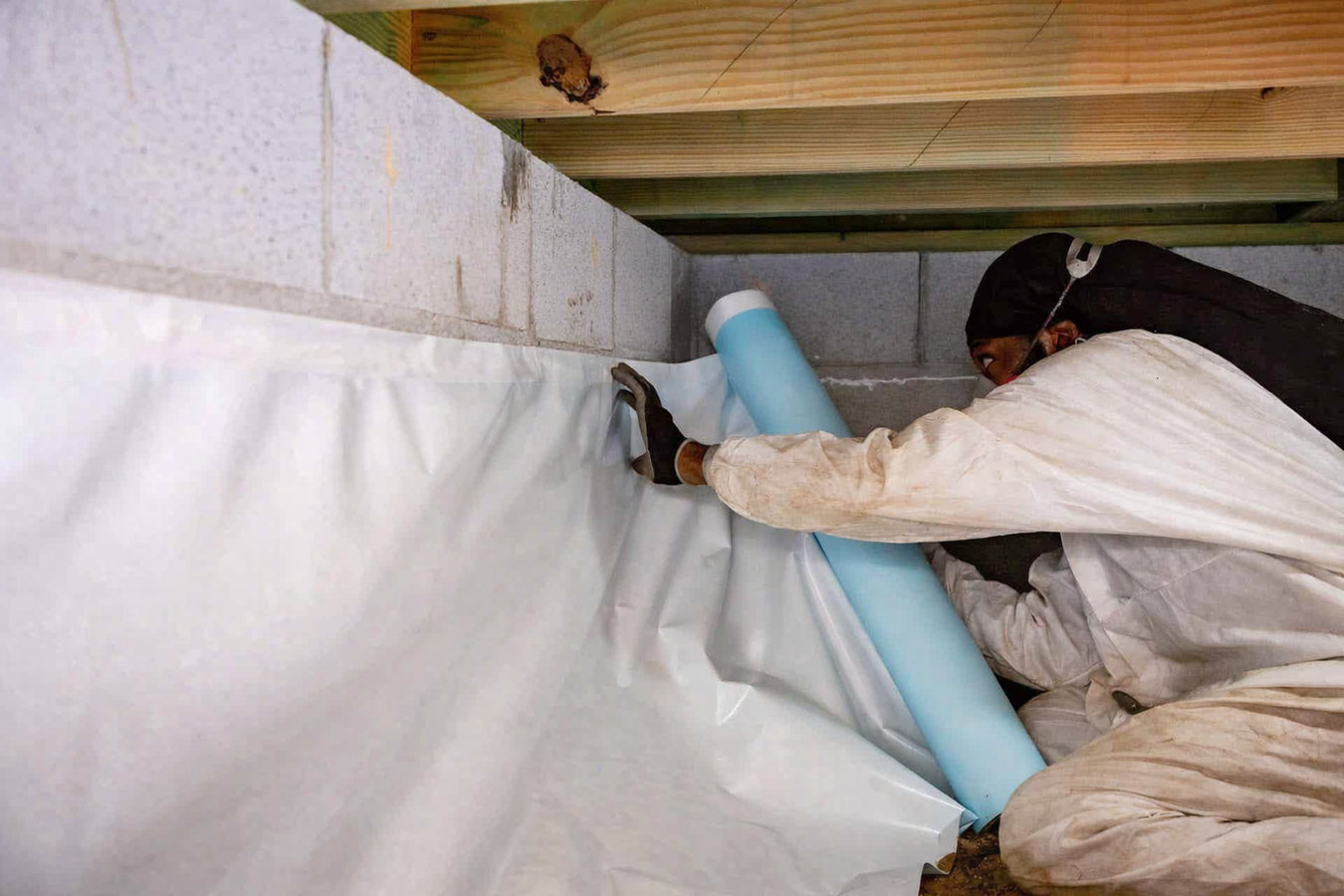
Crawl space vapor barrier installation in Bell, CA covers the bare dirt floor of your crawl space with heavy-duty plastic sheeting to block ground moisture from rising into your home - most jobs on a single-family home are completed in one day, and results such as reduced musty odors are often noticeable within a few weeks.
Bell is a dense city in southeast Los Angeles County where a large share of homes were built in the 1940s through 1960s - before vapor barriers were standard practice. That means there is a good chance your crawl space has bare dirt with nothing between the soil and your wood framing. The clay-heavy soil under Bell holds moisture year-round, not just after rain, so the ground is always releasing vapor upward. A vapor barrier paired with crawl space insulation gives your home a complete defense from below - moisture control and thermal protection working together.
A damp, earthy odor that is strongest near the floor or in lower rooms is one of the most common signs of crawl space moisture. In Bell, this smell often gets worse after winter rain events when the clay soil is saturated and releasing moisture upward. If you notice it and cannot trace it to a plumbing leak, the crawl space is the first place to check.
When moisture works its way into the wood framing beneath your floors over a long period, the wood starts to weaken. You might notice a slight bounce or give when you walk across certain areas, or see gaps opening up between floorboards. In older Bell homes built in the 1940s through 1960s, this kind of damage is common in crawl spaces with no moisture protection.
If you peek into your crawl space and see water droplets on metal pipes or on the wood above, the air down there is saturated with moisture. Visible condensation means ground moisture is rising and a vapor barrier is needed before the problem progresses to mold or rot.
Moisture in a crawl space makes your home harder to heat and cool because damp air holds heat differently than dry air. If your utility bills have been climbing and you have not changed your habits, a wet crawl space could be a contributing factor - especially in Bell, where homes often have older insulation that absorbs moisture and loses effectiveness over time.
Every job starts with a free assessment of your crawl space. We check the size of the space, the condition of the soil and any existing material, signs of moisture damage, and whether there is any debris that needs to come out first. We then install heavy-duty polyethylene sheeting - typically 10 to 20 mils thick - across the entire dirt floor. Seams are overlapped by at least 12 inches, taped, and sealed so moisture has nowhere to sneak through. Edges are secured to the foundation walls to keep the barrier in place.
For homes where moisture control alone is not enough, we can also discuss full vapor barrier installation options that include wall coverage and more complete encapsulation approaches. Many homeowners also ask about combining this work with crawl space insulation in the same visit, which reduces the total cost of mobilization and addresses both moisture and thermal performance together.
Best for most Bell homes - heavy-duty sheeting across the entire soil floor with sealed seams and secured edges for lasting protection.
For crawl spaces with persistent moisture concerns, extending the barrier up the foundation walls provides more complete moisture control.
Suited for older Bell homes where decades of debris, old insulation scraps, or deteriorated existing material need to be cleared before new material goes down.
For homeowners who want to address moisture and energy efficiency in one project, pairing the barrier with crawl space insulation is the most efficient approach.
Bell is a working-class city in southeast Los Angeles County where a large share of homes were built between the 1940s and 1960s - well before vapor barriers became standard practice. Many of those homes have bare dirt crawl space floors that have never been protected. The Los Angeles Basin, including Bell, sits on expansive clay soils that absorb water during the rainy season and release it slowly throughout the year. Even during dry summer months, that ground moisture keeps evaporating upward into crawl spaces. Bell also gets most of its rain between November and March in fast, intense events that can saturate the soil quickly - and homes without barriers can see moisture levels spike dramatically after a wet storm system. California's Title 24 energy code also shapes what contractors are required to do when combining vapor barrier work with insulation or vent modifications - a contractor who knows these rules handles that for you.
We serve Bell and the surrounding communities throughout southeast Los Angeles County. Homeowners in South Gate and Huntington Park with older homes face the same clay soil conditions and older housing stock, and we cover both areas with the same crew and process.
We reply within one business day. We will ask a few basic questions - the size of your home, whether you have noticed any moisture problems, and when someone last looked in the crawl space. No need to know technical details ahead of time.
We access your crawl space through the entry panel - usually a small door on the side of the house or a hatch in a closet floor. We check the condition of the soil, look for moisture damage, and measure the square footage. This visit typically takes 30 to 45 minutes.
You receive a written quote that spells out what is included - the thickness of the material, how seams will be sealed, and whether any prep work such as debris removal is needed. No pressure and no obligation to move forward.
The crew clears any debris, rolls out the sheeting, overlaps and seals seams, and secures edges to the foundation walls. For most homes this takes one full day. Before leaving, the lead installer walks you through what was done - either with photos taken inside the crawl space or at the access point directly.
Free assessment, written estimate, no obligation. We reply within one business day.
(213) 953-8125A large share of Bell homes were built between the 1940s and 1960s, and our crew has worked in crawl spaces under homes of that era throughout southeast Los Angeles County. We know what to look for - bare dirt floors, deteriorated original material, and moisture damage that has been building for decades.
We install polyethylene sheeting rated at 10 to 20 mils for crawl space floors, which holds up to foot traffic from future plumbing or pest control work. Thinner material tears and lets moisture through sooner. The extra cost of thicker material pays for itself in a longer service life.
Overlapping seams without sealing them is a common shortcut that lets moisture in through gaps. We tape and seal every seam and secure the barrier edges to the foundation walls so the plastic stays in place and moisture has no path through. You can verify this yourself after the job - bare dirt should not be visible anywhere.
Every vapor barrier job starts with a free written estimate that lays out the scope and cost. We document the work from start to finish and give you the paperwork when we are done, so you have a clear record of everything installed under your home.
When you hire Bell Insulation for crawl space vapor barrier work, you get a crew that has seen the conditions under Bell homes firsthand and knows how to address them properly. We back the work with a clear record of what was installed so you have documentation for your files. The EPA notes that controlling moisture is the most important step in preventing mold growth - a properly installed barrier is the foundation of that control.
Full vapor barrier installation options including wall coverage and more complete crawl space moisture control systems.
Learn MoreThermal insulation for crawl space walls and floors that works alongside moisture protection to improve comfort and energy efficiency.
Learn MoreBell's rainy season starts in November - get your crawl space assessed and protected now while the ground is dry and installation is straightforward.